

Bahay / Balita / Balita sa Industriya / Bakit Nawawalan ng Adhesion ang Waterborne Coatings — At Paano Ito Aayusin
Balita sa Industriya

Sa waterborne coating, sealant, at adhesive formulations, ang filler-polymer interface compatibility ang tumutukoy sa salik para sa adhesion at mechanical performance — at ito ang kadalasang pinaka-hindi napapansing variable sa disenyo ng formulation.
Kapag ang mga filler at polymer matrice sa mga waterborne system ay hindi tugma sa antas ng interface, ang pagkawala ng adhesion, mahinang mekanikal na pagganap, at ang kawalang-tatag ng imbakan ay sumusunod lahat. Ang pagdaragdag lamang ng higit pang dagta ay hindi makakatumbas sa isang pangunahing hindi tugmang interface — kinakailangan ang naka-target na interfacial chemistry.
Ang coating ay umaangat, nagbabalat, o nabigong mapanatili ang lakas ng bono sa substrate sa ilalim ng mga kondisyon ng serbisyo — ang pinakakita at magastos na failure mode.
Ang hindi magkatugma na mga filler ay pinagsama-sama sa halip na pantay-pantay na namamahagi, na lumilikha ng mga naisalokal na mga mahinang punto sa buong na-cured na pelikula.
Ang tensile strength, flexural strength, impact resistance, at modulus ay nasa ibaba ng target — nililimitahan ang performance sa mga demanding application.
Ang performance ng formulation ay nagbabago sa paglipas ng panahon habang nag-iimbak, na lumilikha ng hindi pagkakapare-pareho ng kalidad sa pagitan ng mga batch ng produksyon.
Epoxy-Modified Polysiloxane | Bifunctional Coupling Agent
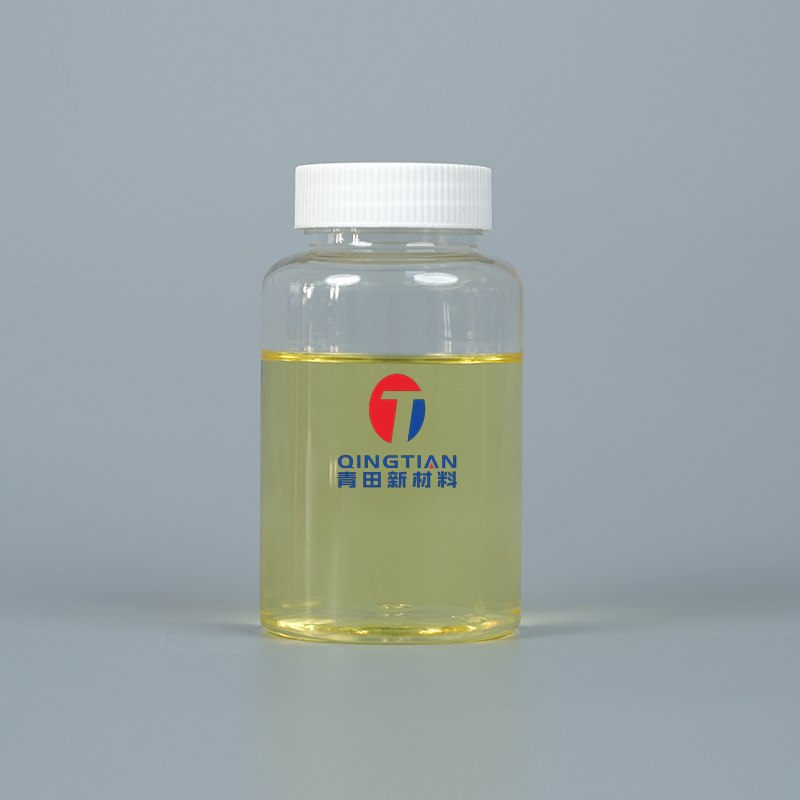
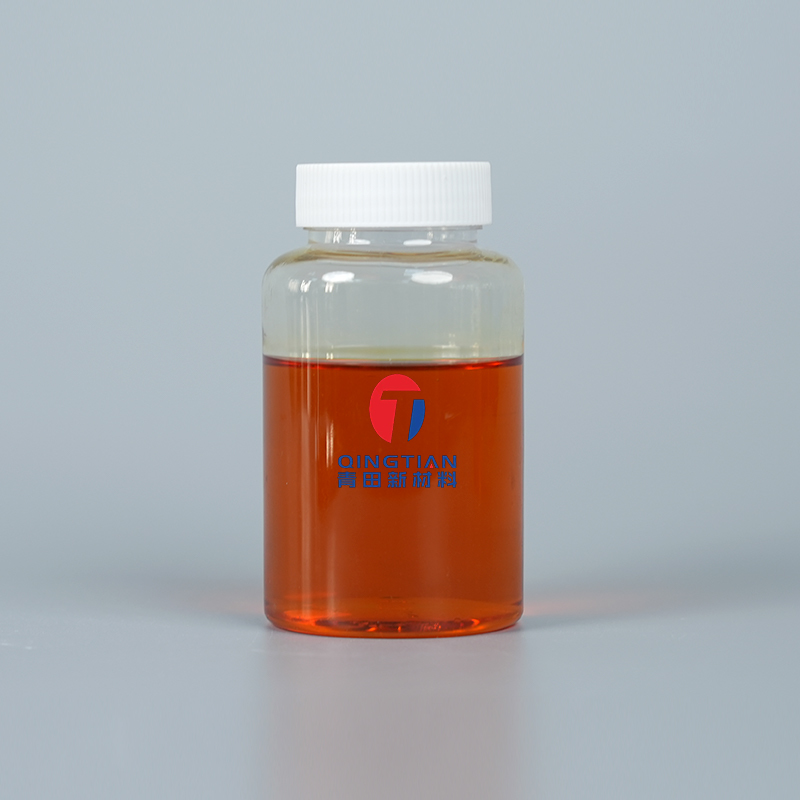
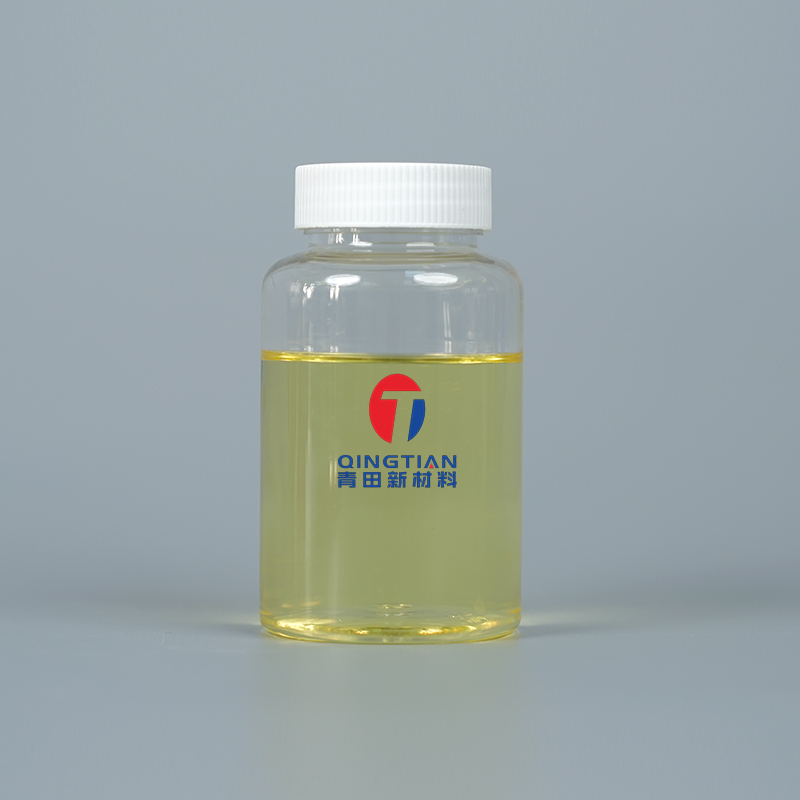
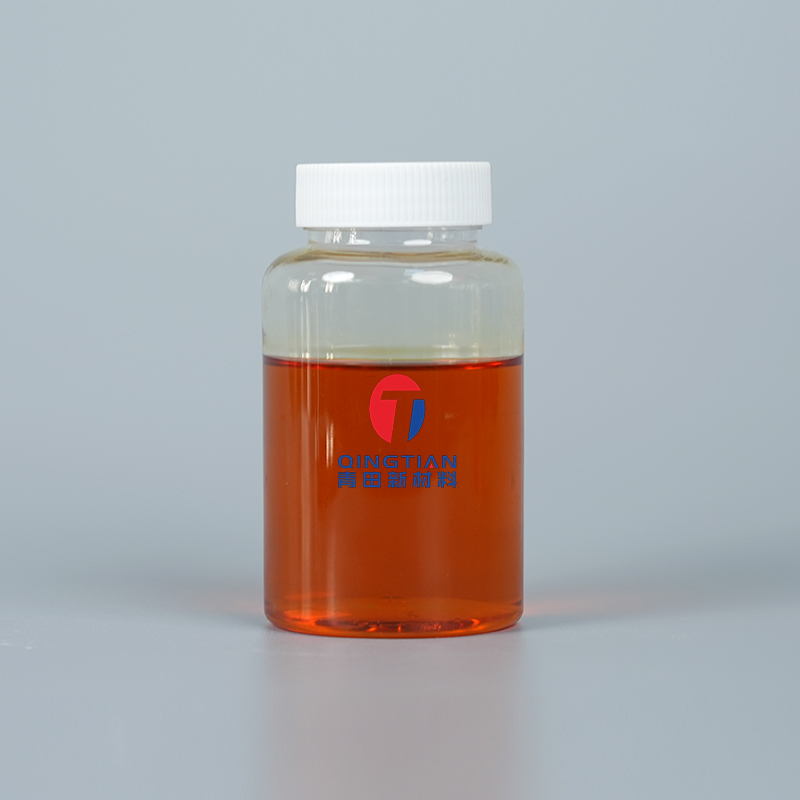
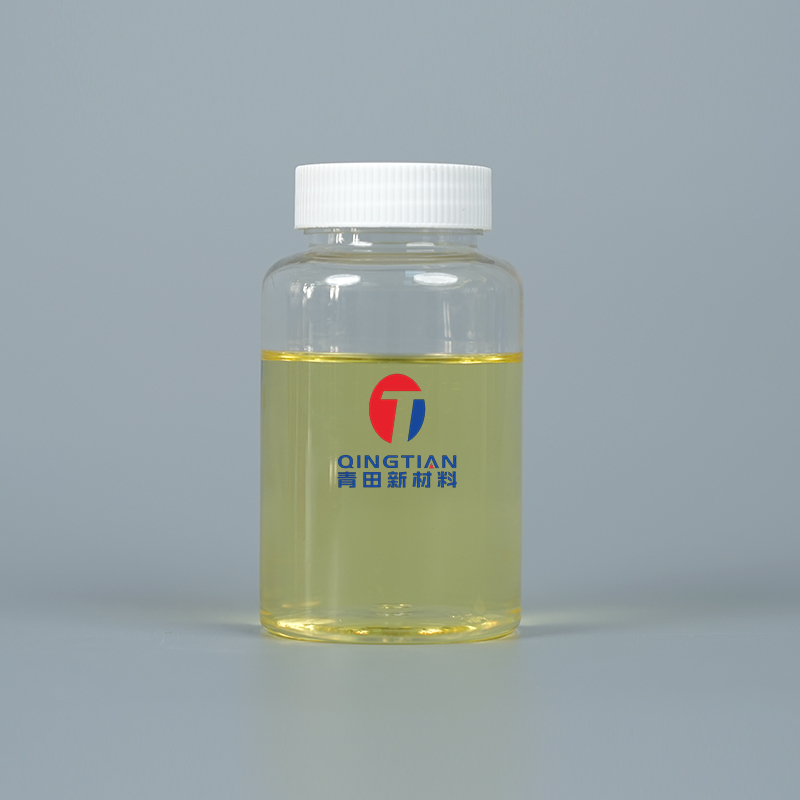
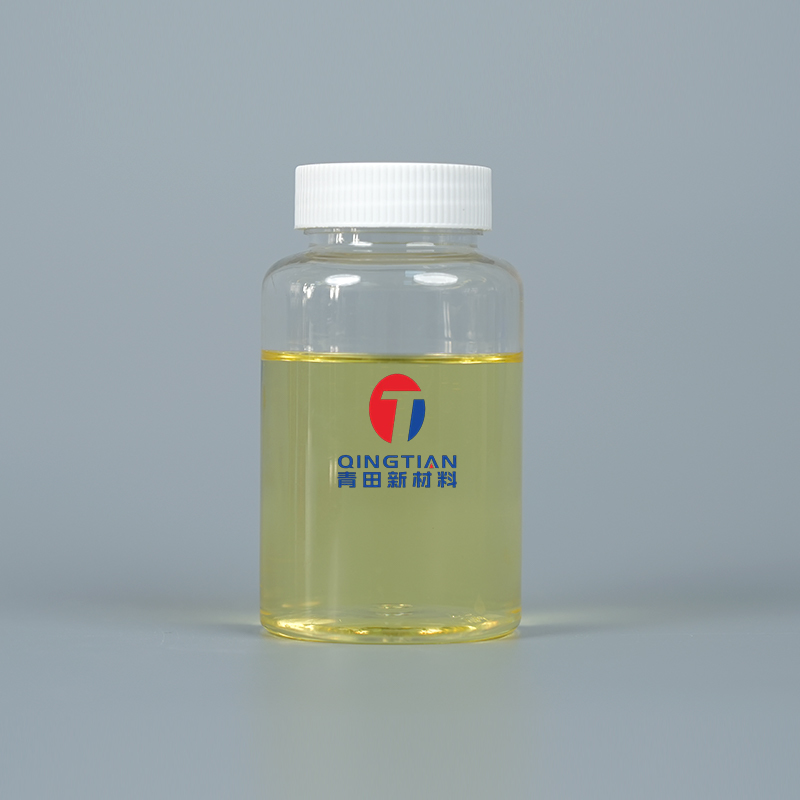
DH-7269S ay isang epoxy-modified polysiloxane waterborne adhesion promoter . Gumagana ito bilang isang bifunctional coupling agent: ang isang dulo ay naka-angkla sa mga inorganikong filler surface (silicates, carbonates, metal oxides), habang ang isa ay reaktibo sa organic polymer matrix. Lumilikha ito ng isang kemikal na tulay sa buong interface — ginagawang isang nakagapos na interface ang isang hindi tugmang hangganan.
| produkto | Uri ng Kemikal | Mga aplikasyon |
| DH-7269S | Epoxy-modified polysiloxane | Waterborne coatings, waterborne sealant, waterborne adhesives, metal surface treatment, composite material system |
Para sa mga waterborne system, ang interfacial compatibility sa pagitan ng mga filler at polymer matrix ay tumutukoy sa pagdirikit at mekanikal na pagganap. Ang pagdaragdag lamang ng higit pang dagta ay hindi makakatumbas sa isang pangunahing hindi tugmang interface. Tinutugunan ng DH-7269S ang ugat na sanhi — pagpapabuti ng dispersion ng filler, pagpapalakas ng interfacial bonding, pagpapahusay ng mga pangunahing mekanikal na katangian, at pagbibigay ng mas matatag na pangmatagalang pagganap sa mga waterborne coating, sealant, at adhesive application.
Humiling ng technical data sheet o sample ng DH-7269S mula sa aming technical team.
 Pakyawan Mga Manufacturer ng Paint/Coating Additives
Custom Industrial Chemical Solutions Supplier
Pakyawan Mga Manufacturer ng Paint/Coating Additives
Custom Industrial Chemical Solutions Supplier